Sourdough Croissant Bread (Flaky, Buttery Loaf with a Tangy Twist)
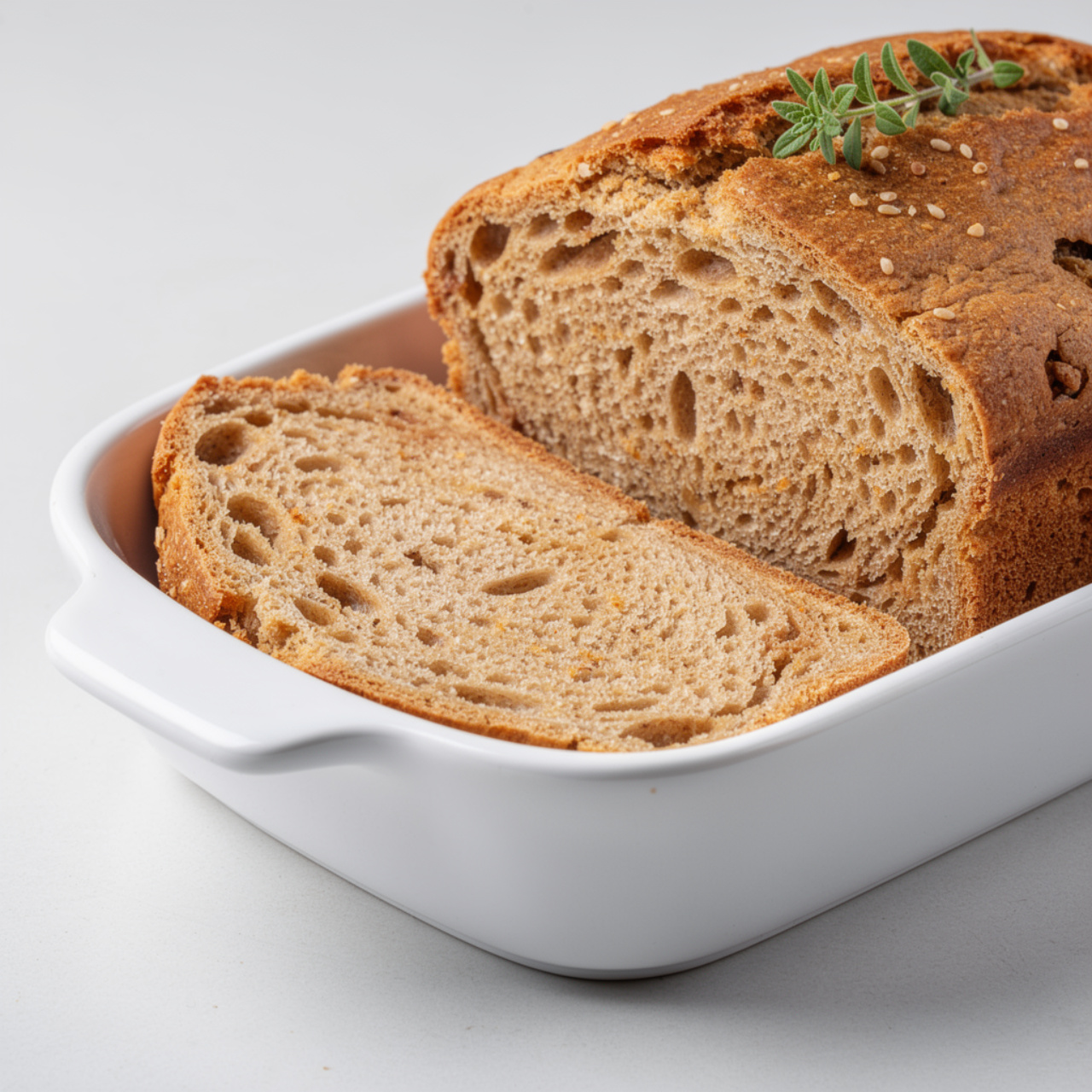
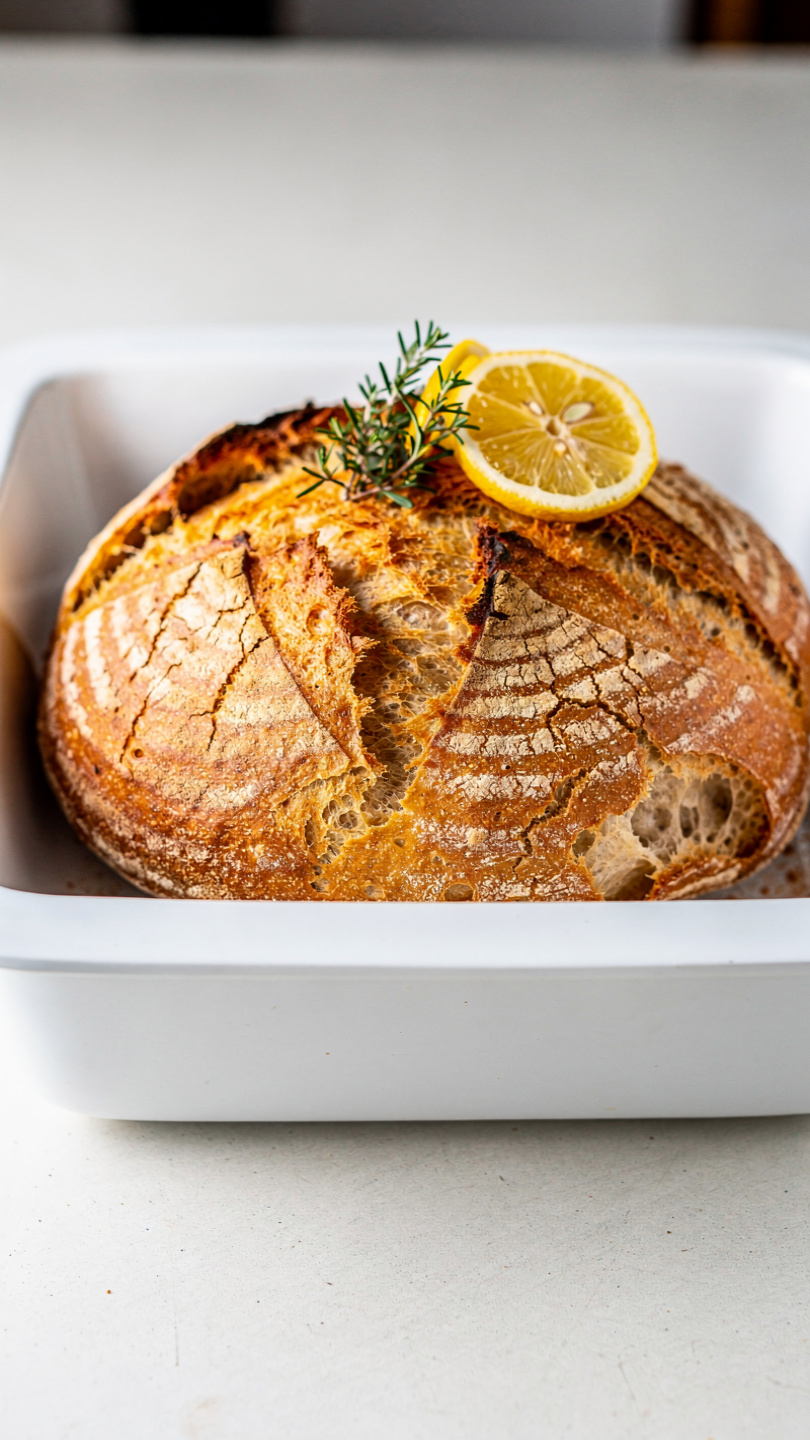
This sourdough croissant bread combines the tangy depth of a classic sourdough loaf with the flaky, buttery layers of a croissant, giving you the best of both worlds in one stunning pull-apart loaf.

The Loaf You Never Knew You Needed: Sourdough Croissant Bread
If you have ever stood in a bakery holding a buttery croissant in one hand and a thick slice of sourdough in the other, wishing you could have both at once, this recipe was made for you. Sourdough croissant bread is exactly what it sounds like: a laminated, pull-apart sourdough loaf with all the tangy, complex flavor of your favorite sourdough recipe and the deeply flaky, shatteringly crisp layers you only get from proper butter lamination. It is part pain de mie, part croissant, and entirely its own thing.
This is not a quick Tuesday-night bake. It is a weekend project, a labor of love, and one of those loaves that will make people stop mid-bite and ask what on earth they are eating. In the best possible way.
Why This Recipe Works
The magic here comes from combining two separate techniques: wild yeast fermentation and lamination. The sourdough starter provides leavening and that characteristic gentle tang, while the careful folding of cold butter sheets into the dough creates hundreds of distinct, paper-thin layers that puff and separate in the oven.
What you end up with is:
- A golden, deeply burnished crust with slight crispness on the outside
- Tender, pull-apart layers that tear open to reveal ribbons of butter
- A mild sourdough tang that balances the richness without overpowering it
- A loaf that toasts extraordinarily well the next morning
This recipe also lends itself beautifully to sourdough loaf add-ins. Stir in shredded gruyere, roasted garlic, or fresh herbs before rolling the loaf for a savory version. For something sweeter, cinnamon sugar and a little orange zest are magnificent.
Getting the layers right in a croissant sourdough loaf really does come down to a few key tools: a good heavy rolling pin, cold parchment paper for your butter block, and a reliable instant-read thermometer so you never overbake. Sourcing high-quality European-style butter with a higher fat content makes a genuinely noticeable difference in both flavor and flakiness.
A Few Words on Your Sourdough Starter
For this crossaint sourdough loaf, your starter needs to be active, bubbly, and at or near peak rise when you mix the dough. A sluggish starter will result in a dense loaf that struggles to hold the laminated layers. If your starter has been neglected in the fridge, give it two consecutive feedings at room temperature before you begin.
Not sure if it is ready? Drop a small spoonful into a glass of water. If it floats, you are good to go.
Chef's Tip: For the most complex, tangy flavor in your sourdough crescent bread, opt for a long cold ferment. Mix the dough, let it bulk ferment for 3 to 4 hours at room temperature, then refrigerate it overnight before laminating. The slow, cold rise allows the wild yeast and bacteria to develop layers of flavor that a quick same-day bake simply cannot replicate.
The Lamination Process (Don't Be Intimidated)
Lamination sounds technical, but the process is more about patience than skill. Here is the essential rhythm:
- Encase the butter in the dough like an envelope
- Roll and fold in thirds (like folding a letter)
- Chill for 30 minutes so the butter firms back up
- Repeat two more times
Three folds total. That is it. Each fold multiplies your layers, so by the time you roll the dough into its final log shape, you have a structure that will bloom open in the oven into those gorgeous, ribboned layers that define a proper sour dough croissant bread.
The one rule: keep everything cold. Warm butter will smear into the dough instead of staying in sheets. If at any point the dough starts to feel greasy or the butter begins to soften too much, stop, wrap it up, and refrigerate for 20 minutes before continuing. No rush.
Warning: Do not skip the resting chills between folds. This is the most common mistake people make when baking amy bakes bread croissant bread-style recipes at home. The chilling is not optional. It is what gives you layers instead of a brioche.
Sourdough Recipe Ideas: Variations to Try
Once you have the base recipe down, this loaf becomes a canvas. A few of the best sourdough loaf add-ins and variations to explore:
- Cheesy Herb: Fold in 0.75 cup of shredded gruyere and 2 tablespoons of fresh thyme before the final roll
- Everything Bagel: Brush with egg wash and press everything bagel seasoning generously into the top before baking
- Cinnamon Swirl: Spread a thin layer of cinnamon sugar butter over the dough before rolling it into a log for a sweet morning loaf
- Sourdough Discard Version: Swap up to half the active starter with sourdough discard and add 0.25 tsp instant yeast to help with the rise, making this a great option for sourdough discard meals when you have extra on hand
Ready to bring this beauty to life? Here is the complete step-by-step recipe:
Sourdough Croissant Bread (Flaky, Buttery Loaf with a Tangy Twist)
This sourdough croissant bread combines the tangy depth of a classic sourdough loaf with the flaky, buttery layers of a croissant, giving you the best of both worlds in one stunning pull-apart loaf.
Ingredients
- 3 cups bread flour, plus more for dusting
- 1/2 cup active sourdough starter, fed and bubbly, at peak activity
- 3/4 cup whole milk, warmed to about 80 degrees F
- 2 tbsp granulated sugar
- 1 1/2 tsp fine sea salt
- 1 large egg, room temperature, for the dough
- 12 tbsp unsalted European-style butter, cold, cut into thin slabs for lamination
- 2 tbsp unsalted butter, softened, for the dough enrichment
- 1 large egg, beaten with 1 tbsp milk, for egg wash
- 1/2 tsp flaky sea salt, optional, for topping
Instruction
In a large bowl, whisk together the bread flour, sugar, and salt. Add the warm milk, active sourdough starter, 1 egg, and softened butter. Mix until a shaggy dough forms, then knead for 8 to 10 minutes by hand or 5 minutes in a stand mixer with a dough hook until the dough is smooth and slightly tacky but not sticky.
Shape the dough into a ball, cover with plastic wrap, and let it bulk ferment at room temperature for 4 to 6 hours, or until noticeably puffed. For deeper flavor, transfer to the refrigerator and cold-ferment overnight for up to 12 hours.
While the dough chills in the final hour of fermentation, prepare your butter block. Arrange the cold butter slabs between two sheets of parchment paper and pound with a rolling pin into a roughly 6-by-6-inch square. Refrigerate until firm but pliable, about 15 minutes.
On a lightly floured surface, roll the dough out into a rectangle approximately 8 by 12 inches. Place the butter block in the center, fold the dough edges over it like an envelope, and pinch the seams to seal completely.
Roll the dough out into a long rectangle about 8 by 18 inches. Fold it into thirds like a letter (this is your first fold). Wrap in plastic and refrigerate for 30 minutes. Repeat this roll-and-fold process two more times, chilling for 30 minutes between each fold, for a total of three folds.
After the final chill, roll the dough into a rectangle about 9 by 14 inches. Starting from a long edge, roll it up tightly into a log. Pinch the seam closed. Place the log seam-side down into a greased 9-by-5-inch loaf pan.
Cover loosely with plastic wrap and let the shaped loaf proof at room temperature for 3 to 5 hours, or until it crowns about 1 inch above the rim of the pan and looks puffy. Do not rush this final proof.
Preheat the oven to 375 degrees F (190 degrees C). Brush the top of the loaf gently with egg wash and sprinkle with flaky salt if desired.
Bake for 30 to 35 minutes, until deep golden brown on top and the internal temperature reads 190 to 195 degrees F on an instant-read thermometer. If the top browns too quickly, tent loosely with foil after the first 20 minutes.
Remove from the oven and let the loaf cool in the pan for 10 minutes, then transfer to a wire rack. Allow it to cool for at least 45 minutes before slicing so the layers can set properly.
Equipment
- Large mixing bowl
- Stand mixer with dough hook (optional)
- Rolling pin
- Parchment paper
- Plastic wrap
- 9x5-inch loaf pan
- Pastry brush
- Instant-read thermometer
- Wire cooling rack
- Bench scraper
Notes
Serving and Storing Your Croissant Sourdough Loaf
This loaf is honestly best eaten on the day it is baked, still faintly warm, pulled apart with your hands rather than sliced. The layers are at their most dramatic in those first few hours.
That said, day-two toast might be the greatest argument for making this loaf on a Saturday. The layers crisp up beautifully in the toaster, and a thin spread of salted butter or good jam on a toasted slice is worth every minute of the lamination process.
For longer storage, slice the loaf fully once cooled and freeze the slices in a zip-top bag. They go straight from the freezer into the toaster and come out tasting remarkably close to fresh. This is one of the better sourdough recipe ideas for meal prepping ahead for the week.
However you choose to serve it, this sourdough croissant bread is the kind of bake that earns you a reputation.