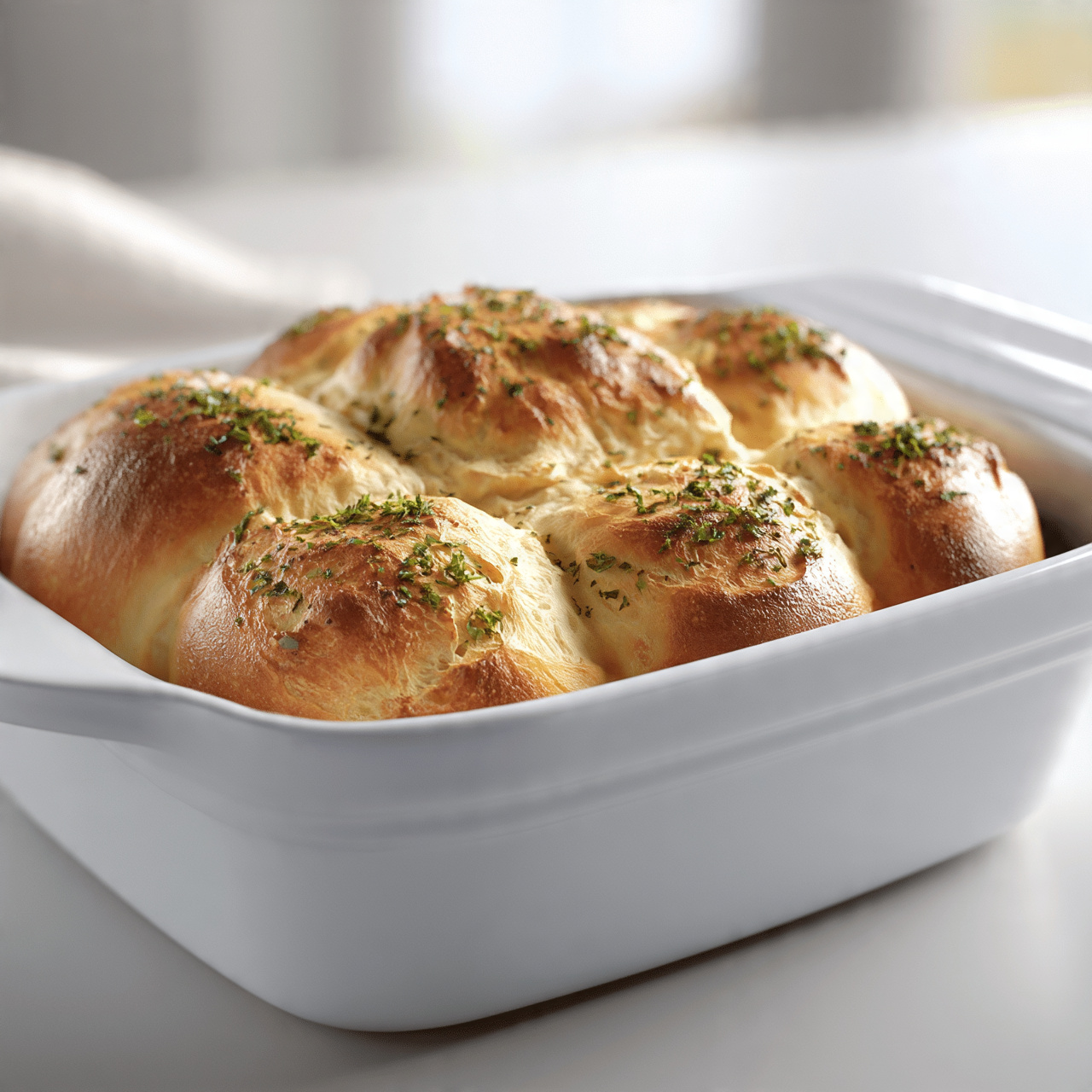
Sourdough French Bread: The Ultimate Crusty Homemade Loaf
This sourdough French bread recipe delivers a beautifully golden, crackly crust with a soft, tangy interior — all using your sourdough starter for incredible depth of flavor.

The Sourdough French Bread Recipe You Will Keep Coming Back To
There is something almost magical about pulling a golden, crackling French bread loaf out of the oven, hearing that irresistible crinkle as it cools on the rack. This sourdough French bread recipe takes everything you love about a classic French bread loaf and layers in the slow-fermented, complex tang of a live sourdough starter. The result is a homemade sourdough bread that is genuinely better than anything you will find at a grocery store.
Whether you are working through a jar of sourdough starter discard, looking for a reliable recipe using sourdough starter, or simply craving that rustic French bakery experience at home, this recipe delivers every single time.
Why Sourdough Makes French Bread Even Better
Traditional French bread recipes rely on commercial yeast for a quick, predictable rise. This sourdough French bread recipe slows things down intentionally. That extended fermentation does a few remarkable things:
- Flavor: Wild yeast and beneficial bacteria produce organic acids that give the bread its signature tangy, complex taste.
- Texture: Long fermentation develops gluten naturally, creating an open, chewy crumb and a crackly crust that commercial yeast breads simply cannot match.
- Digestibility: The fermentation process partially breaks down gluten and phytic acid, making the bread easier on the stomach for many people.
- Shelf life: The natural acidity keeps the loaf fresher longer compared to standard white bread.
This is what separates a truly best sourdough starter recipe result from an ordinary loaf. Patience is your most important ingredient.
The right tools genuinely transform this bake. A sharp lame for scoring, a quality bench scraper for shaping, and a reliable kitchen scale for accurate flour measurements will take your homemade sourdough bread recipes from good to exceptional.
What You Need to Know About Your Starter
The single most important variable in this sourdough French bread recipe is the activity level of your starter. For the best oven spring and flavor, your starter should be fed 4 to 8 hours before you plan to mix the dough. Look for these signs that it is ready:
- It has doubled or nearly doubled in size since feeding
- The surface is domed and covered with bubbles
- It passes the float test: drop a small spoonful into water and it should float
- It smells pleasantly tangy and yeasty, not overly acidic or alcoholic
Chef's Tip: If your starter seems sluggish, give it two feedings spaced 8 hours apart before baking. A healthy, active starter is the foundation of every great French cuisine recipe that uses natural leavening.
The Secret to a Crackly Crust
Professional bakeries use steam-injected ovens to give French bread that signature shatter-crisp crust. At home, you can replicate this beautifully by placing a metal pan on the bottom oven rack and pouring in hot water right as the loaves go in. That burst of steam keeps the outer surface of the dough moist and pliable during the first 15 minutes of baking, allowing the loaf to spring up fully before the crust sets.
Once you remove the steam pan and let the dry oven heat take over, the crust rapidly dehydrates into that gorgeous, deep golden shell. Do not skip this step. It is the difference between a pale, soft loaf and a proper French bread loaf with real bakery character.
Warning: Use an old or inexpensive metal pan for the steam, never glass or ceramic, as the sudden temperature change from the water can cause it to shatter.
How to Use Leftover Sourdough French Bread
If you somehow have leftovers (no guarantees), this bread is extraordinarily versatile. Day-old slices make the richest, most custardy French bread French toast you have ever tasted, soaking up egg and cream in a way that softer sandwich bread never could. It is also the ideal base for garlic bread, bruschetta, or a simple olive oil and sea salt dip alongside a bowl of soup.
For longer storage, slice the cooled loaf completely, lay the slices flat on a baking sheet to freeze until solid, then transfer to a freezer bag. You will have bakery-quality toast on demand for up to two months.
Ready to bake your best loaf yet? Here is the full step-by-step sourdough French bread recipe:
Sourdough French Bread: The Ultimate Crusty Homemade Loaf
This sourdough French bread recipe delivers a beautifully golden, crackly crust with a soft, tangy interior — all using your sourdough starter for incredible depth of flavor.
Ingredients
- 1 cup active sourdough starter, fed and bubbly, at peak activity
- 3/4 cup warm water, around 90 degrees F
- 3 cups bread flour, plus more for dusting
- 1/2 cup all-purpose flour
- 1 1/2 tsp fine sea salt
- 1 tbsp olive oil, extra virgin, for greasing the bowl
Instruction
In a large mixing bowl, combine the active sourdough starter and warm water. Stir until the starter is fully dissolved into the water.
Add the bread flour, all-purpose flour, and sea salt. Mix with a wooden spoon or your hands until a shaggy dough forms and no dry flour remains.
Turn the dough out onto a lightly floured surface and knead for 8 to 10 minutes, until the dough is smooth, elastic, and slightly tacky but not sticky. Alternatively, use a stand mixer with a dough hook on medium speed for 6 to 8 minutes.
Lightly coat a large bowl with olive oil and place the dough inside, turning once to coat. Cover tightly with plastic wrap or a damp kitchen towel.
Allow the dough to bulk ferment at room temperature for 4 to 6 hours, performing 3 to 4 sets of stretch-and-folds during the first 2 hours (one set every 30 minutes). The dough should increase in size by 50 to 75 percent and feel airy.
For a more complex flavor, transfer the covered bowl to the refrigerator and cold ferment overnight for 8 to 16 hours.
When ready to bake, remove the dough from the refrigerator and allow it to come to room temperature for 30 to 45 minutes. Gently turn it out onto a lightly floured surface.
Divide the dough in half. Shape each portion into a long baguette-style loaf about 14 to 16 inches in length by rolling and elongating with your hands, tucking the seam underneath.
Place the shaped loaves on a parchment-lined baking sheet dusted with flour or semolina. Cover loosely with a clean towel and allow them to proof for 45 to 60 minutes at room temperature.
Preheat the oven to 475 degrees F (245 degrees C) with a rack in the center. Place an empty metal baking pan on the bottom rack.
Just before baking, use a sharp lame or serrated knife to score each loaf with 3 to 5 diagonal slashes about 0.5 inches deep.
Carefully pour 1 cup of hot water into the empty metal pan on the bottom rack to create steam, then immediately slide your loaves into the oven.
Bake for 15 minutes with steam, then remove the water pan. Continue baking for 18 to 20 more minutes until the crust is deep golden brown and the loaves sound hollow when tapped on the bottom.
Transfer to a wire rack and cool for at least 30 minutes before slicing. This resting period is essential for the crumb to set properly.
Equipment
- Large mixing bowl
- Stand mixer with dough hook (optional)
- Bench scraper
- Parchment-lined baking sheet
- Sharp lame or serrated knife
- Metal baking pan (for steam)
- Wire cooling rack
- Kitchen scale (recommended)
Notes
Variations and Serving Ideas
Once you have the base French bread recipe mastered, the variations are endless:
- Herb loaf: Fold 2 tbsp of chopped fresh rosemary or thyme into the dough during the final knead.
- Seeded crust: Brush the shaped loaves with water and roll in sesame seeds, poppy seeds, or everything bagel seasoning before proofing.
- Garlic pull-apart: Slice the baked loaf diagonally without cutting all the way through, stuff with garlic herb butter, wrap in foil, and return to a 375 degree F oven for 10 minutes.
- French bread pizza: Halve a loaf lengthwise, top with your favorite pizza toppings, and broil until bubbly.
This homemade sourdough bread recipe is as much a technique as it is a recipe. Once you understand the rhythm of feeding your starter, folding the dough, and reading fermentation, you will find yourself baking on repeat every week.