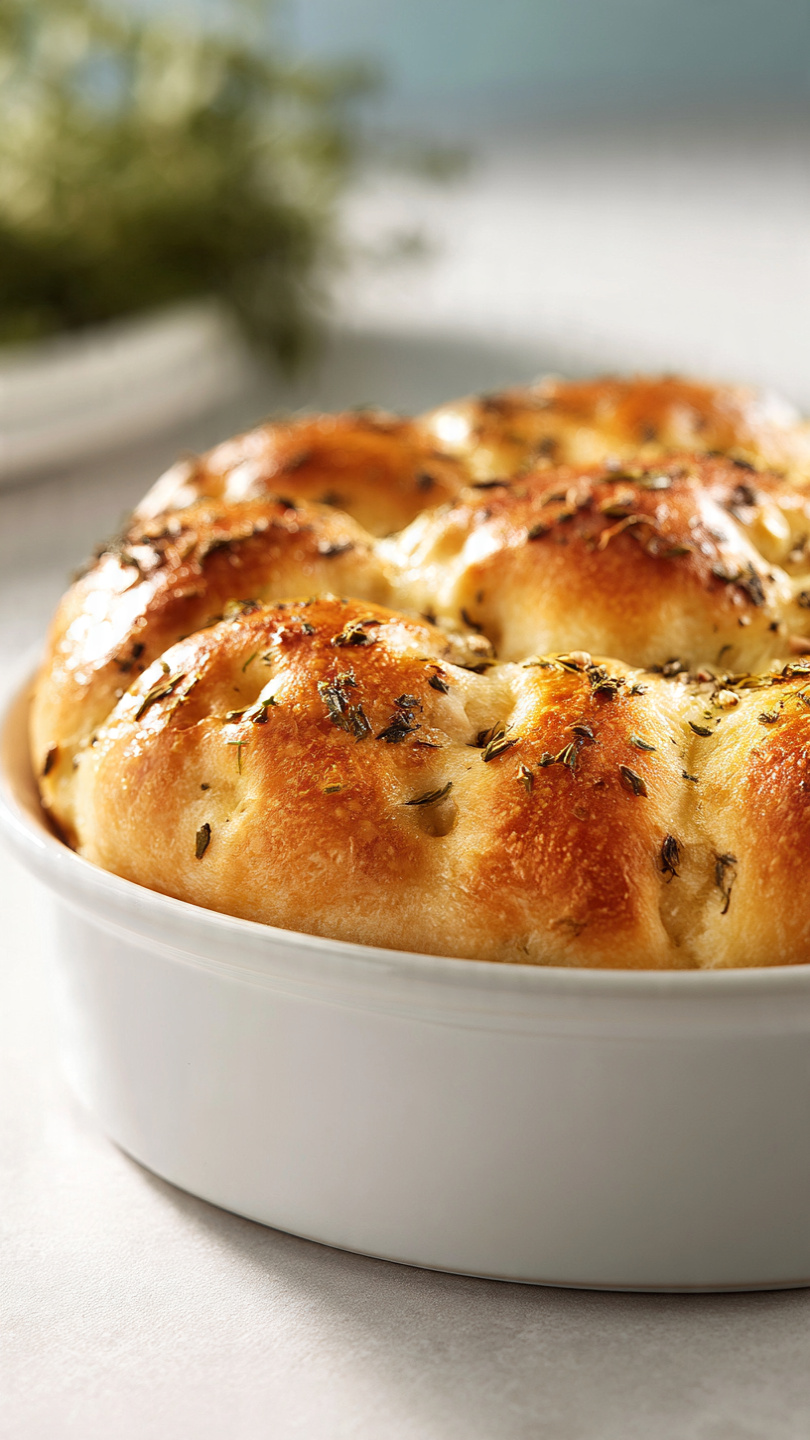
Turkish Bread (Ramazan Pidesi): Soft, Chewy, and Golden Perfection
This homemade Turkish bread is soft, chewy, and beautifully golden with a sesame-topped crust. A simple no-fuss recipe that pairs perfectly with stews, dips, and everything in between.

The Bread That Makes Every Meal Feel Like a Feast
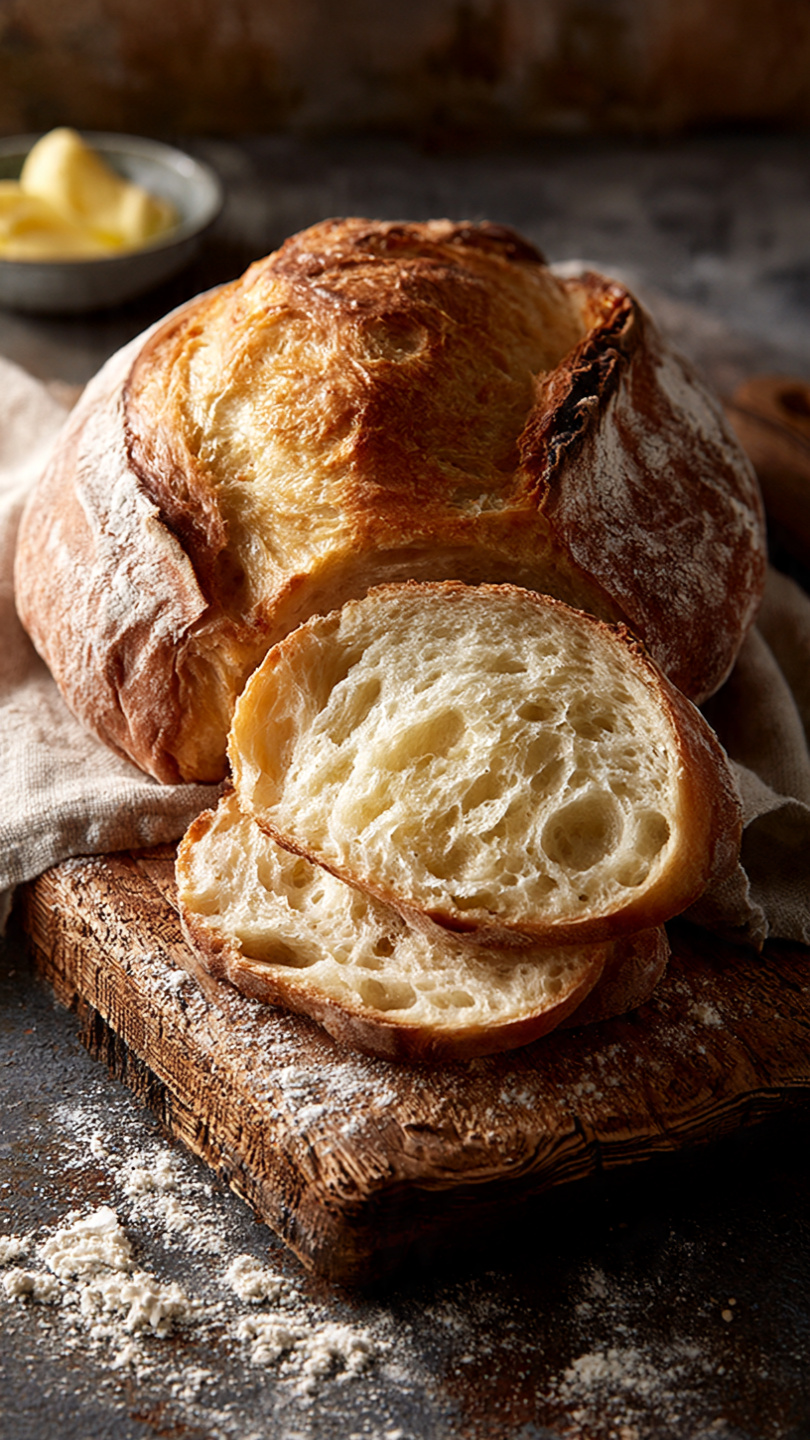
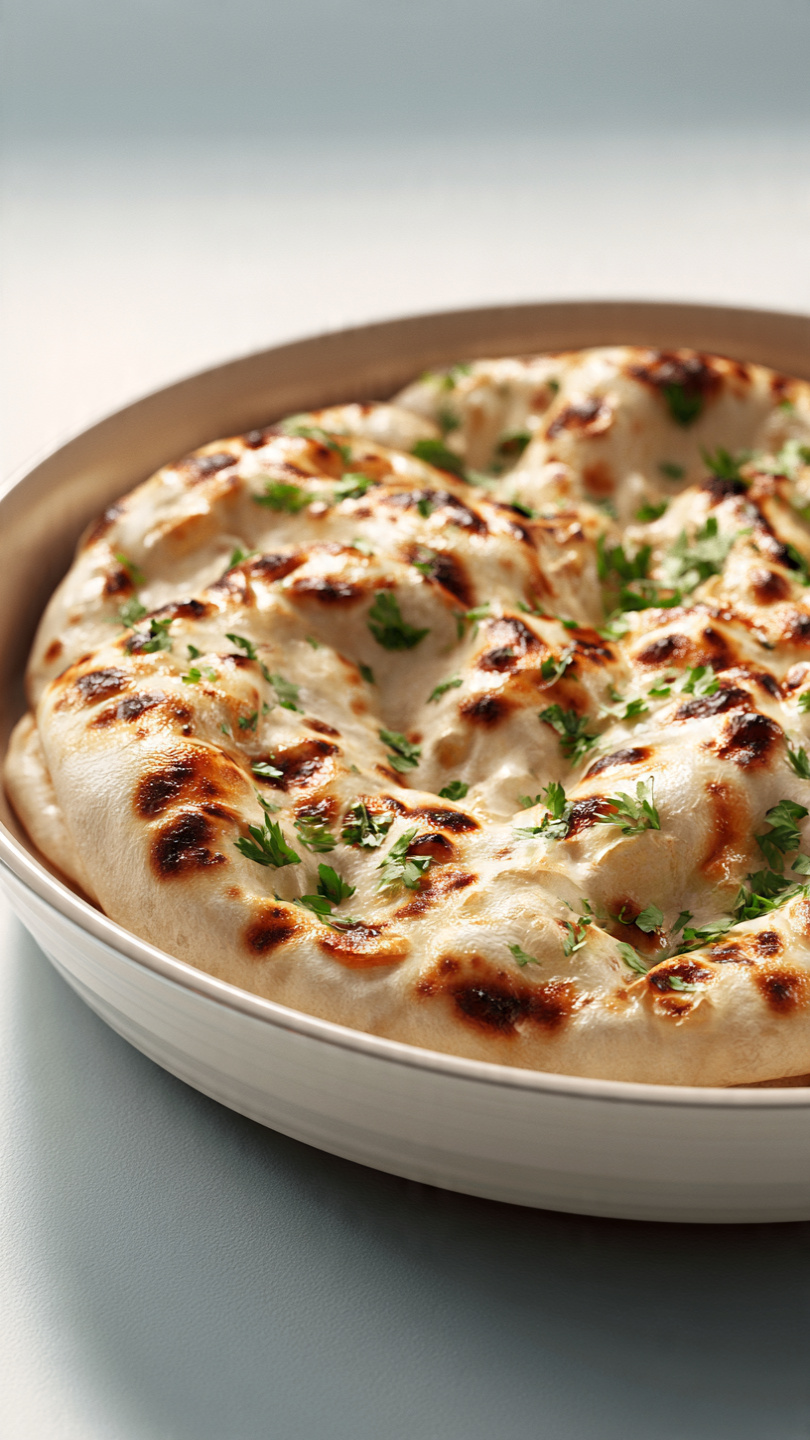
There is something deeply comforting about a loaf of Turkish bread fresh from the oven. The crust crackles just slightly when you press it. The inside is soft and pillowy, almost cloud-like. The sesame and nigella seeds on top give it that unmistakable Middle Eastern character that makes you want to tear off a piece before it even has a chance to cool.
This is one of those different kinds of bread recipes that looks impressive but is genuinely easy to pull off at home. Whether you are searching for crusty bread for stew, a gorgeous table centerpiece, or just wondering what you can make with flour on a slow afternoon, this is your answer.
What Makes Turkish Bread Special
Turkish bread, known as pide or ramazan pidesi, has been a staple of Turkish and broader Middle Eastern tables for centuries. It sits confidently among the great Middle Eastern breads, right alongside pita, lavash, and bazlama. What sets it apart is the combination of a yeasted, yogurt-enriched dough and that distinctive dimpled surface pattern, which gives it both a beautiful appearance and an ideal texture for soaking up olive oil, stews, or hummus.
The yogurt in the dough is not optional decoration. It is the ingredient that keeps this bread tender for longer and gives the crumb a slight, almost imperceptible tang. This is one of those easy delicious bread recipes where a single ingredient makes a quiet but noticeable difference.
Chef's Tip: Do not rush the first rise. A full hour in a warm, draft-free spot gives the yeast time to develop the flavor and structure that make this bread worth making.
Tools and Ingredients Worth Getting Right
For bread like this, a preheated baking stone or a heavy cast-iron pan transforms the bottom crust from pale and soft to properly golden and satisfying. The right sesame seeds, fresh and fragrant rather than stale, make the topping genuinely shine.
How to Shape and Score It
Shaping Turkish bread is easier than it looks. You are not aiming for perfection here. An oval, a round, or even a slightly lopsided shape all bake up beautifully. The important step is pressing the dimple pattern firmly into the surface before baking. Use your fingertips and press down in rows, creating a crosshatch or grid across the entire top. This is not just decorative. It prevents the bread from puffing unevenly in the oven and gives you those satisfying little ridges to hold the egg wash and seeds.
This is genuinely one of the best random recipes to try on a weekend when you want something hands-on but not complicated. It is also a brilliant bread for stew, especially anything tomato-based, lamb-forward, or richly spiced.
A few things to keep in mind:
- Use warm water, not hot. Too hot and you risk killing the yeast.
- The dough should feel soft and slightly tacky, not stiff.
- Preheat your baking surface for at least 20 minutes before the bread goes in.
Chef's Tip: If your kitchen is cold, turn your oven on for just 2 minutes, then turn it off and use that residual warmth as a proofing box.
Perfect for All Kinds of Dinners
This bread fits naturally into different kinds of dinners. Serve it alongside a smoky red lentil soup, tear it into a mezze spread with baba ganoush and labneh, or use it as the base for a simple lunch with olive oil and za'atar. It is the kind of bread that does not need much help to feel special.
Ready to bake your own? Here is everything you need:
Turkish Bread (Ramazan Pidesi): Soft, Chewy, and Golden Perfection
This homemade Turkish bread is soft, chewy, and beautifully golden with a sesame-topped crust. A simple no-fuss recipe that pairs perfectly with stews, dips, and everything in between.
Ingredients
- 3 1/2 cups all-purpose flour, plus more for dusting
- 2 1/4 tsp instant yeast, one standard packet
- 1 1/4 cups warm water, between 100 and 110 degrees F
- 1/4 cup plain whole-milk yogurt, room temperature, adds tenderness
- 2 tbsp olive oil, extra virgin
- 1 tsp granulated sugar, feeds the yeast
- 1 1/2 tsp fine salt
- 1 large egg, beaten, for egg wash
- 2 tbsp sesame seeds, white or a mix of white and black
- 1 tsp nigella seeds, optional but traditional
Instruction
In a large bowl, combine the warm water, sugar, and instant yeast. Stir gently and let sit for 5 minutes until slightly foamy.
Add the yogurt and olive oil to the yeast mixture and stir to combine.
Add the flour and salt. Mix with a wooden spoon until a shaggy dough forms, then turn out onto a lightly floured surface.
Knead the dough for 8 to 10 minutes until it is smooth, soft, and slightly tacky but not sticky. Add flour one tablespoon at a time only if the dough is unworkably sticky.
Place the dough in a lightly oiled bowl, cover with a clean kitchen towel or plastic wrap, and let rise in a warm spot for 1 hour, or until doubled in size.
Preheat your oven to 450 degrees F (230 degrees C). If you have a baking stone or heavy baking sheet, place it in the oven now to preheat.
Punch down the dough and divide it into two equal portions. Shape each portion into an oval or round roughly 10 inches across and about half an inch thick.
Place the shaped dough on a sheet of parchment paper. Using your fingertips, press a crosshatch or grid pattern firmly into the surface of the dough, pushing nearly all the way through without tearing.
Brush the tops generously with the beaten egg wash. Sprinkle evenly with sesame seeds and nigella seeds if using.
Slide the parchment onto the preheated baking stone or sheet. Bake for 20 to 25 minutes until deeply golden on top and hollow-sounding when tapped on the bottom.
Transfer to a wire rack and let cool for at least 10 minutes before tearing in. Serve warm.
Equipment
- Large mixing bowl
- Wooden spoon
- Pastry brush
- Baking stone or heavy baking sheet
- Parchment paper
- Wire cooling rack
Notes
Storing and Serving
Turkish bread is at its absolute peak within a few hours of baking, still warm and fragrant. If you have leftovers, wrap them in a clean towel rather than plastic to keep the crust from going soggy. A quick warm-up in the oven the next morning and it comes back to life beautifully.
For longer storage, slice and freeze. It toasts from frozen in minutes and tastes genuinely fresh. This is also a great make-ahead option if you are preparing for a gathering and want one less thing to worry about on the day.