Aguachile: The Bold, Bright Mexican Shrimp Recipe You Need to Try
This vibrant Aguachile recipe features fresh shrimp cured in a fiery green chile and lime marinade, ready in minutes and bursting with authentic Mexican flavor.

The Dish That Proves Fresh and Fast Can Be Extraordinary
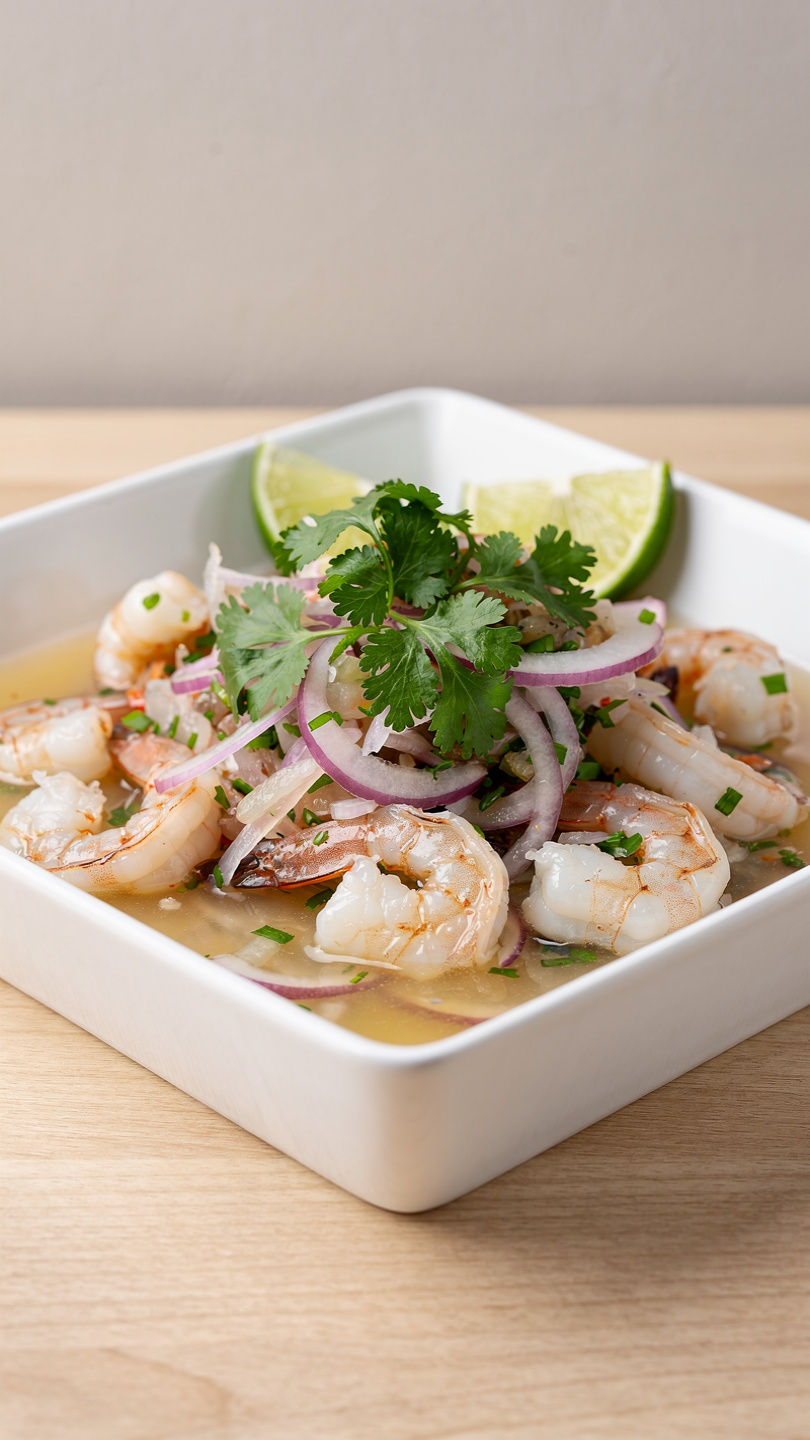
If you have never had aguachile before, you are about to meet your new favorite thing to order at a Mexican coastal restaurant and, even better, to make at home. This is a dish built on pure, immediate flavor: fresh shrimp cured in lime juice until just opaque, then drenched in a fiery blended sauce of serrano chiles, cilantro, and garlic. It is bright, cold, spicy, and completely alive on the palate.
Aguachile originates from the Pacific coastal state of Sinaloa in Mexico, where fresh shrimp pulled from the sea were traditionally seasoned with ground chiles and water, hence the name meaning "chile water." The modern version, with its blended green sauce and cured shrimp, has become iconic up and down Mexico's coastline and is beloved far beyond its origins. Think of it as the bolder, spicier cousin of a Mexican ceviche recipe, ready in under half an hour with zero heat required from a stove.
Why This Aguachile Recipe Works
The secret to great camarones aguachile receta is freshness at every single step. The shrimp should be as fresh as you can find, the limes should be juiced right before you use them, and the sauce should go on just before serving. This is not a make-ahead dish in the traditional sense. It is a dish you make, set on the table, and eat immediately while everything is still vibrant.
Here is what makes this version especially good:
- Butterflied shrimp cure faster and more evenly than whole shrimp, giving you perfect texture throughout
- Two-stage lime juice uses fresh juice for curing and fresh juice for the sauce, so neither step is diluted by the other
- A touch of soy sauce in the blended sauce adds a quiet umami depth that you cannot identify but absolutely notice
- Serrano chiles instead of jalapeños give a cleaner, grassier heat that suits the dish beautifully
Chef's Tip: The quality of your lime juice matters more than almost anything else here. Bottled juice will make a noticeably flat sauce. Buy fresh limes, juice them yourself, and the difference will be immediately obvious.
Tools and Ingredients That Make the Difference
Because aguachile relies entirely on raw ingredients and technique rather than cooking, having the right equipment genuinely elevates the result. A high-powered blender gives you a silky, completely smooth green sauce, and a reliable citrus juicer means you can extract maximum juice from your limes without wearing out your hands.
Aguachile Ingredients: What You Need and Why
Every ingredient in this agua chile recipe earns its place. Here is a closer look at the key players:
Shrimp: Large raw shrimp work best. Look for fresh or previously frozen, and choose sushi-grade if you want extra peace of mind since the shrimp are not cooked with heat.
Serrano chiles: These are the backbone of the dish. Serranos are brighter and hotter than jalapeños, and they blend into a beautifully vivid green sauce. Leave the seeds in for full heat, or remove them for a milder aquachilies recipe.
Fresh lime juice: Non-negotiable. Use fresh limes only. You will need a generous amount, about six to seven limes for a full batch.
Cilantro: Adds herbal freshness and helps give the sauce its signature green color. Do not substitute dried cilantro; it will not work.
Cucumber and red onion: These are served raw, sliced thin, and added directly to the dish for crunch and a cooling contrast to all that heat.
Avocado: Sliced avocado alongside the shrimp is traditional and genuinely essential. Its creamy richness balances the acid and fire beautifully.
Variations Worth Trying
- Tuna aguachile recipe: Swap the shrimp for thinly sliced sushi-grade ahi tuna. Skip the lime curing step and simply dress the fish in the green sauce right before serving.
- Red aguachile recipe: Blend dried guajillo or chile de arbol with lime juice for a smoky, rust-colored sauce that is equally stunning.
- Scallop aguachile: Thinly sliced raw scallops cure beautifully in the lime juice and pair wonderfully with the green sauce.
How Spicy Is Aguachile?
Honestly? With three serranos and all their seeds, this is a seriously spicy dish. That heat is part of the identity of authentic aguachile. That said, it is completely adjustable. Remove the seeds, use fewer chiles, or swap one serrano for a milder jalapeño to bring the heat down without losing the character of the dish.
Warning: Do not skip tasting the sauce before you pour it over the shrimp. The heat level of individual chiles can vary wildly depending on the batch, and adjusting before serving is much easier than adjusting after.
Ready to make it? Here is the full step-by-step recipe:
Aguachile: The Bold, Bright Mexican Shrimp Recipe You Need to Try
This vibrant Aguachile recipe features fresh shrimp cured in a fiery green chile and lime marinade, ready in minutes and bursting with authentic Mexican flavor.
Ingredients
- 1 lb large raw shrimp, peeled, deveined, and butterflied
- 3/4 cups fresh lime juice, freshly squeezed, about 6-7 limes
- 3 serrano chiles, stems removed, seeds in for maximum heat or removed for milder flavor
- 1/2 cups fresh cilantro, loosely packed, plus more for garnish
- 1 cucumber, thinly sliced into half-moons
- 1/2 red onion, thinly sliced into half-rings
- 1 tsp kosher salt, plus more to taste
- 1 garlic clove, roughly chopped
- 1 avocado, sliced, for serving
- 8 tostadas, for serving
- 1 tbsp soy sauce, optional, adds umami depth
Instruction
Butterfly the shrimp by slicing each one along the back almost all the way through, then press them open flat. Arrange the butterflied shrimp in a single layer in a shallow dish.
Pour half of the lime juice (about 6 tablespoons) directly over the shrimp, making sure every piece is coated. Let the shrimp cure for 10 to 12 minutes. They are ready when the flesh turns from translucent to a pink-white opaque color throughout. Do not leave them longer than 15 minutes or they will become rubbery.
While the shrimp cure, combine the remaining lime juice, serrano chiles, cilantro, garlic, salt, and soy sauce (if using) in a blender. Blend on high for 30 to 60 seconds until completely smooth and brilliantly green.
Once the shrimp have cured, drain and discard the used lime juice from the dish.
Pour the fresh green aguachile sauce over the cured shrimp. Add the sliced cucumber and red onion directly into the dish and toss gently to combine everything.
Taste and adjust salt as needed. For more heat, blend in an extra serrano. For a milder result, stir in a small splash of water to balance.
Serve immediately, topped with sliced avocado and fresh cilantro, alongside crispy tostadas.
Equipment
- Blender or food processor
- Shallow serving dish or wide bowl
- Sharp chef's knife
- Cutting board
- Citrus juicer
- Measuring cups and spoons
Notes
Serving Aguachile the Right Way
Serve aguachile immediately after assembling, straight from the dish, with a generous stack of crispy tostadas on the side. The traditional move is to pile a spoonful of shrimp, cucumber, and sauce onto a tostada, add a slice of avocado, and eat it in one or two bites. The contrast of the cold, spicy, acidic shrimp against the crunchy tostada is one of the great combinations in Mexican coastal cooking.
For a fuller spread, serve alongside other shrimp recipes Mexican style, such as a simple aguachile verde alongside a classic ceviche for a crowd. A cold Mexican lager or a mezcal cocktail is the ideal beverage pairing.
Storing and Make-Ahead Tips
Aguachile is best eaten within minutes. If you need to prep ahead, cure the shrimp and blend the sauce separately, then refrigerate both. Combine them only when you are ready to serve. Fully assembled leftovers will keep in the refrigerator for up to 24 hours, though the texture and color will soften over time.