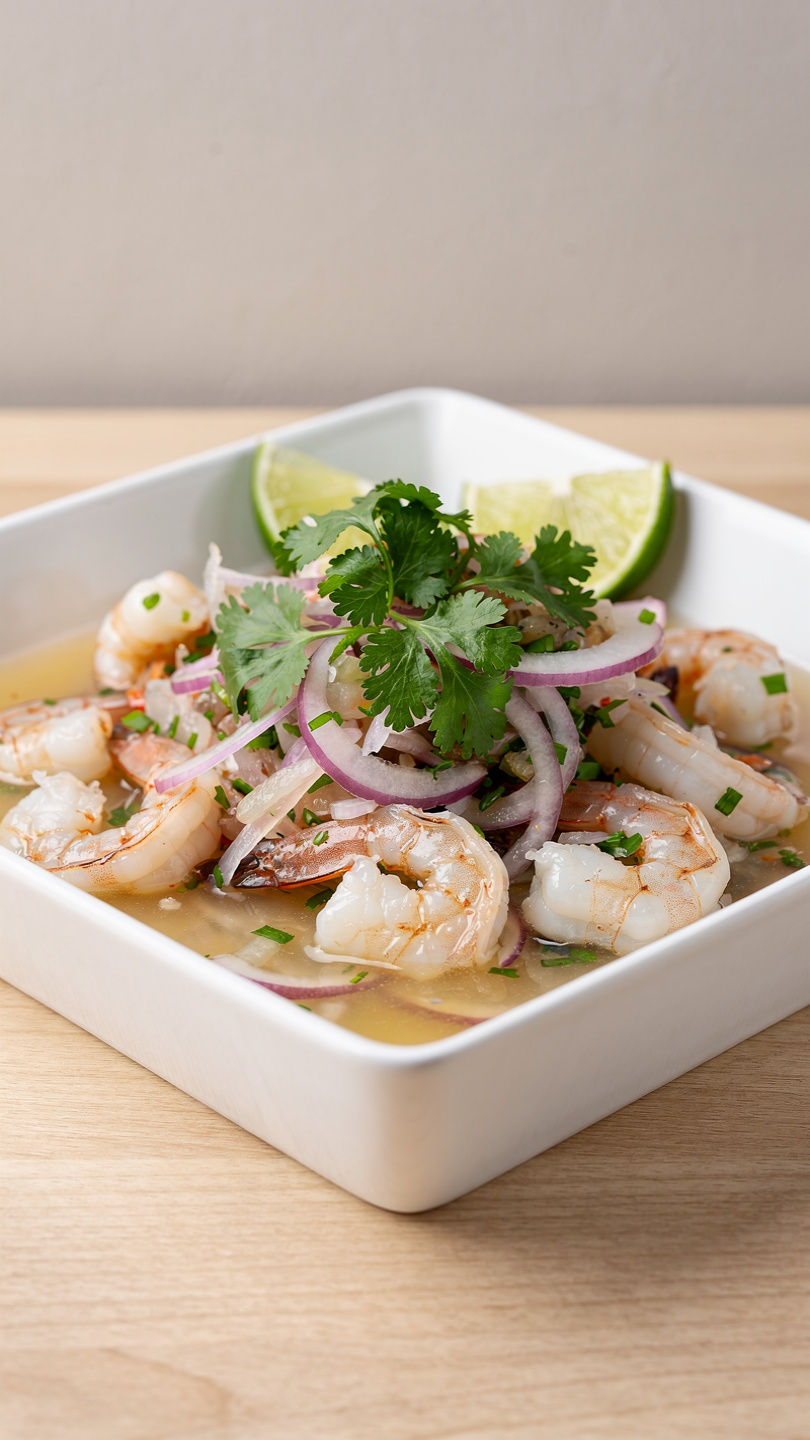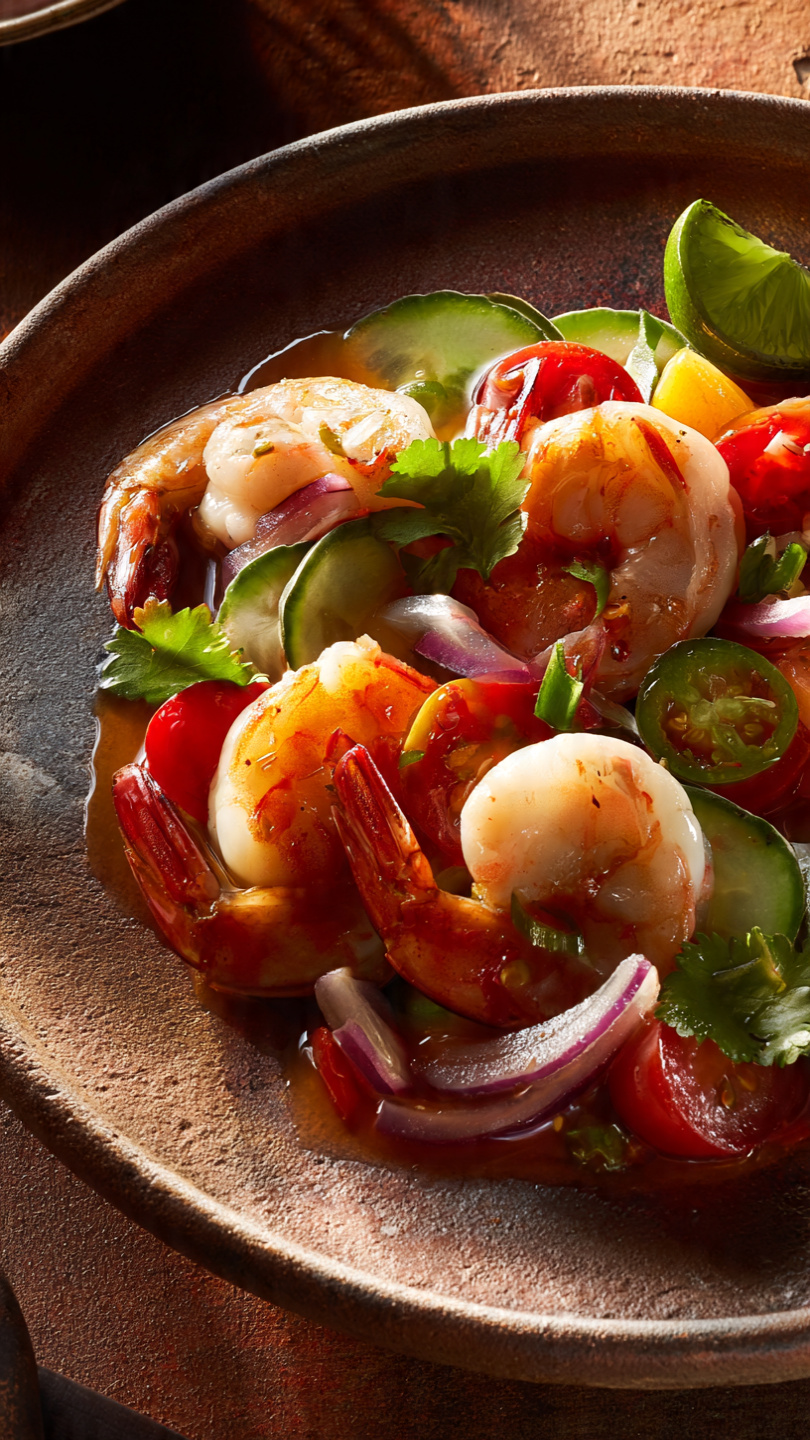
Southern Pickled Shrimp (Louisiana Low Country Style)
Tangy, herbaceous, and irresistibly briny, this Southern Pickled Shrimp recipe is a classic Low Country appetizer that comes together in minutes and tastes better the longer it sits.

The Southern Appetizer That Disappears Every Single Time
If you have never made Southern Pickled Shrimp, you are genuinely missing one of the simplest and most crowd-pleasing dishes the Low Country has to offer. Tangy from a double vinegar brine, fragrant with fresh dill and bay leaf, layered with thin-sliced red onion and lemon rounds, these shrimp hit every note: bright, savory, a little spicy, and deeply satisfying.
This is the kind of recipe that looks like you spent hours in the kitchen. You did not. The hands-on time is barely 20 minutes. The rest is patience, because the refrigerator does all the real work.
What Makes This a True Louisiana-Style Pickled Shrimp
The Louisiana Pickled Shrimp tradition runs deep. Unlike heavily spiced pickled seafood you might find at a deli counter, the Southern version is elegant and balanced. The brine leans on white wine vinegar for brightness, with a splash of apple cider vinegar for depth. Olive oil gives the marinade a glossy, silky body that coats each shrimp beautifully.
What sets this Low Country Pickled Shrimp apart from other shrimp pickling recipes is the layering of aromatics: celery seed, whole peppercorns, crushed red pepper, whole grain mustard, capers, and fresh dill all pile into the jar alongside the shrimp. The result is not just pickled shrimp. It is a full-flavored condiment that improves with every hour it sits.
Chef's Tip: The shrimp should be just barely cooked before they go into the brine. Pull them from the boiling water the moment they curl and turn opaque. They will continue to firm up slightly as they chill, and a day in the acidic marinade also affects the texture. Overcooked shrimp going in will be rubbery coming out.
The Right Tools and Ingredients Make All the Difference
For a recipe this simple, quality really does show. A wide-mouth glass jar makes layering and serving easy, and a good bottle of white wine vinegar will shine through in every bite. These are the tools and pantry staples we actually reach for when making this dish:
How to Build the Perfect Pickle Brine
The brine is everything here. Think of it less like a marinade and more like a bath the shrimp are going to soak in overnight, slowly absorbing every flavor you put in.
Here is what goes into a great shrimp pickling brine:
- Two vinegars: White wine vinegar for clean sharpness, apple cider vinegar for warmth and a little sweetness.
- Olive oil: Rounds out the acidity and helps the fat-soluble aromatics bloom.
- Whole grain mustard: Adds complexity and a subtle earthy heat.
- A pinch of sugar: Just enough to soften the sharp edge of the vinegar without making it sweet.
- Aromatics: Sliced garlic, red onion, celery, fresh dill, bay leaves, capers, and a whole lemon cut into rounds. The lemon is non-negotiable.
- Spices: Peppercorns, celery seed, and red pepper flakes. Keep them whole so the brine stays clear and gorgeous.
Once you have your brine together, it smells incredible before the shrimp even go in.
Chef's Tip: If you want a Quick Pickled Shrimp version that is table-ready in about four hours, make sure to slice your onions and garlic as thin as possible. Thinner cuts absorb and release flavor much faster.
Tips for the Best Pickled Shrimp Recipe
A few things that separate a good batch from a truly great one:
Start with quality shrimp. Fresh gulf shrimp are the gold standard for any Southern Pickled Shrimp recipe, but well-sourced frozen shrimp that have been properly thawed are a perfectly fine substitute. Avoid pre-cooked, pre-seasoned varieties.
Do not skip the ice bath. Shocking the shrimp in ice water immediately after cooking locks in a tender, snappy texture and stops any carryover cooking in its tracks.
Give it time. The minimum is four hours, but overnight is where the magic really happens. If you are serving this at a party, make it the evening before. You will thank yourself.
Serve it cold and let it warm slightly. Pull the jar from the fridge about 15 minutes before serving so the olive oil loosens up and the flavors come forward.
What to Serve with Pickled Shrimp
This dish is endlessly versatile. Here are some of the best ways to serve it:
- Crackers or crostini: The classic move. A buttery cracker with a shrimp and a sliver of pickled onion is perfect.
- Butter lettuce cups: Makes for a beautiful, light passed appetizer at a dinner party.
- Over grits: Spoon them over creamy stone-ground grits for a Low Country-inspired small plate.
- Alongside a cheese board: Pickled shrimp cut through the richness of cheese and cured meats beautifully.
- Straight from the jar: We will not judge.
Ready to make the best appetizer you have put on the table this year? Here is the full recipe:
Southern Pickled Shrimp (Louisiana Low Country Style)
Tangy, herbaceous, and irresistibly briny, this Southern Pickled Shrimp recipe is a classic Low Country appetizer that comes together in minutes and tastes better the longer it sits.
Ingredients
- 2 lb large shrimp, peeled and deveined, fresh or thawed from frozen, tails on or off
- 3/4 cup white wine vinegar
- 1/4 cup apple cider vinegar
- 1/2 cup extra virgin olive oil, good quality
- 1 lemon, thinly sliced into rounds
- 1 small red onion, thinly sliced into half-moons
- 4 garlic cloves, thinly sliced
- 2 celery stalks, thinly sliced on the bias
- 6 fresh dill sprigs, or 1 tsp dried dill
- 3 bay leaves
- 1 tsp whole black peppercorns
- 1/2 tsp celery seed
- 1/2 tsp crushed red pepper flakes, adjust to taste
- 1 1/2 tsp kosher salt, plus more for the poaching water
- 1 tsp granulated sugar, balances the vinegar
- 1 tbsp whole grain mustard
- 2 tbsp capers, drained
Instruction
Bring a large pot of generously salted water to a boil. Add the shrimp and cook for 1 to 2 minutes, just until they turn pink and curl. Do not overcook. Immediately drain and transfer the shrimp to a bowl of ice water to stop the cooking. Once chilled, drain well and pat dry.
In a large mixing bowl or a 2-quart jar, whisk together the white wine vinegar, apple cider vinegar, olive oil, whole grain mustard, sugar, and kosher salt until the sugar and salt are fully dissolved.
Add the sliced red onion, garlic, celery, lemon rounds, dill, bay leaves, peppercorns, celery seed, red pepper flakes, and capers to the brine. Stir to combine.
Add the cooked, cooled shrimp to the pickling mixture and toss well so everything is evenly coated.
Transfer everything to a large glass jar or an airtight container with a lid. Press the shrimp down so they are fully submerged in the brine.
Refrigerate for at least 4 hours, but preferably overnight. The longer they sit, the more deeply flavored they become. Shake or stir gently halfway through if you remember.
Before serving, taste and adjust seasoning with extra salt or a squeeze of fresh lemon. Remove the bay leaves and serve cold straight from the jar or arranged on a platter with crackers, toasted baguette slices, or butter lettuce cups.
Equipment
- Large pot
- Colander
- Bowl of ice water
- Large mixing bowl
- Wide-mouth 2-quart glass jar or airtight container
- Sharp knife and cutting board
- Whisk
Notes
Storing and Making Ahead
Pickled shrimp keep in the refrigerator for up to 3 days, though they are honestly at their absolute best within the first 48 hours. The texture softens slightly over time, which some people actually prefer.
A word of caution: this recipe is not shelf-stable. It is a refrigerator pickle, not a canning recipe. Do not attempt to process these in a water bath canner or store them at room temperature.
One bonus? The leftover brine is spectacular. Strain it and use it as a salad dressing, a marinade for grilled chicken, or a drizzle over roasted vegetables. Nothing goes to waste.
Make It Your Own
Once you have the base recipe down, there is plenty of room to riff. Try adding a few sprigs of fresh tarragon alongside the dill, or swap the red pepper flakes for a sliced fresh jalapeño if you want real heat. A handful of thinly sliced fennel in place of some of the celery is a beautiful variation that leans a little more French than Southern.
However you make it, Pickled Shrimp are one of those recipes that earn you a reputation. Make them once and someone at the table will ask you to bring them to every gathering from here on out.